
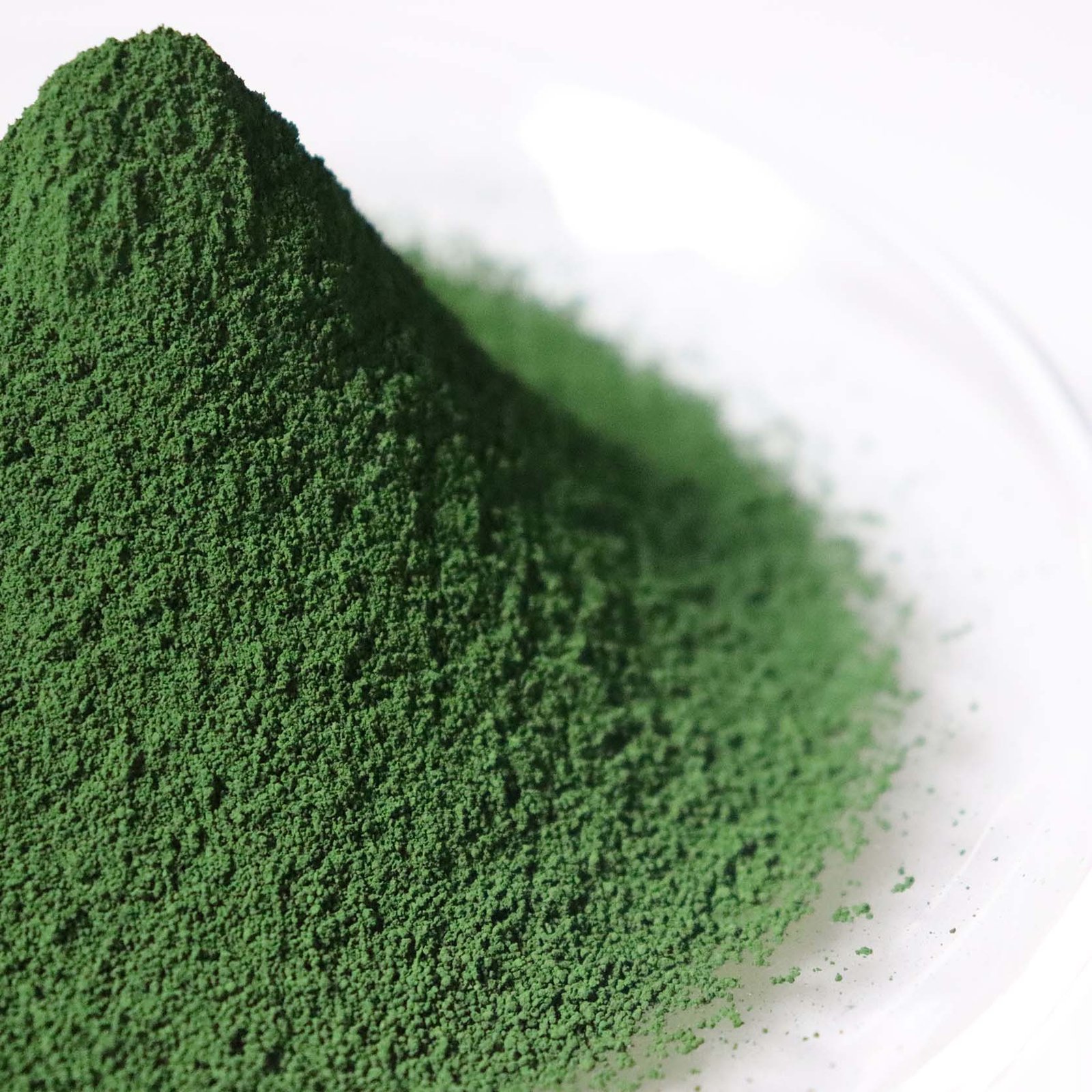
Introduction to Chromium Oxide Green in Plastic Applications
Chromium oxide green (Cr2O3) has established itself as one of the most important inorganic pigments for plastic coloration, offering exceptional combination of color stability, heat resistance, chemical resistance, andversatile processing characteristics. The plastic industry consumes significant quantities of chromium oxide annually for applications ranging from packaging materials to automotive components, from construction products to consumer goods. The unique properties of Cr2O3 make it particularly valuable in demanding plastic applications where color consistency and long-term performance are essential requirements.
Unlike organic pigments that may degrade under UV exposure, high temperatures, or chemical environments, chromium oxide maintains its color integrity throughout the product lifecycle. This stability translates into consistent appearance and performance in finished plastic products, reducing quality issues and customer complaints. The initial investment in premium chromium oxide pigments pays dividends through improved production yields, reduced formulation adjustments, and enhanced product durability.
Fundamental Properties of Chromium Oxide for Plastics
Chromium oxide green possesses several characteristics that make it exceptionally well-suited for plastic applications. The pigment exhibits excellent chemical stability, maintaining its trivalent chromium oxidation state throughout processing and end-use conditions. This stability ensures predictable color development regardless of processing variables or environmental exposure. The inorganic nature of chromium oxide provides inherent resistance to migration, bleeding, and plate-out problems that affect some organic pigments.
The particle size distribution of chromium oxide pigments significantly influences their performance in plastics. Fine particle sizes, typically in the range of 0.1-5 microns, provide high tinting strength and smooth dispersion in plastic matrices. However, very fine particles may create processing challenges including dust generation and handling difficulties. Modern chromium oxide pigments are available in various particle size grades optimized for different plastic systems and processing methods.
Chromium oxide demonstrates excellent compatibility with most plastic resin systems, including polyethylene, polypropylene, polyvinyl chloride, polystyrene, polyethylene terephthalate, and engineering plastics. This broad compatibility simplifies formulation development and enables consistent pigment sourcing across multiple product lines. The versatility of chromium oxide reduces the need for multiple pigment suppliers and simplifies quality control procedures.
Heat Stability in Plastic Processing
Plastic processing typically involves high temperatures that challenge many colorants, causing decomposition, color shift, or degradation in less stable pigments. Chromium oxide maintains its chemical integrity and color properties at processing temperatures up to 300C, making it suitable for high-temperature engineering plastics and processing methods. This thermal stability ensures consistent color development regardless of processing conditions within recommended ranges.
Injection molding, extrusion, and blow molding processes subject colorants to intense thermal stress during plastic melting and shaping. Chromium oxide pigments disperse evenly in the molten polymer, providing uniform coloration throughout finished products. The pigment particles maintain their integrity through processing without fragmenting or aggregating in ways that could affect color consistency or mechanical properties.
Engineering plastics including polyamide, polycarbonate, and polyesters often require processing temperatures exceeding 250C. Chromium oxide green pigments formulated specifically for these high-temperature applications provide reliable color development without the degradation that would occur with less stable colorants. These specialized grades undergo quality control testing to verify performance at target processing temperatures.
UV Resistance and Weathering Performance
One of the most significant advantages of chromium oxide in plastic applications is its exceptional resistance to UV degradation. While many organic pigments fade rapidly under outdoor exposure, chromium oxide maintains color integrity for years of continuous UV exposure. This weathering resistance makes Cr2O3 the preferred choice for outdoor plastic applications including automotive components, construction materials, and agricultural products.
The mechanism of UV protection by chromium oxide involves both physical screening and chemical stabilization. The pigment particles physically block UV radiation from penetrating into the underlying polymer, reducing photochemical degradation. Additionally, chromium ions can participate in free radical scavenging reactions that further inhibit polymer degradation. This dual protection mechanism provides enhanced durability compared to pigments that offer only UV screening.
Accelerated weathering testing demonstrates the superior performance of chromium oxide compared to organic alternatives. Products containing Cr2O3 pigments maintain acceptable appearance after thousands of hours of xenon arc or UV exposure that would completely degrade organic-pigmented alternatives. These test results predict reliable field performance in actual end-use applications.
Colorimetric Properties and Hue Options
Chromium oxide green provides a distinctive medium-dark green hue that differs from the brighter, more yellowish greens achievable with organic pigments. This unique color character offers designers and product engineers a different aesthetic option that may better suit certain product categories or design requirements. The sophisticated appearance of chromium oxide greens appeals to consumers seeking premium or natural product aesthetics.
Color intensity and hiding power of chromium oxide depend on pigment concentration and particle characteristics. Higher loadings produce deeper, more saturated colors, while lower concentrations create lighter shades. The relationship between pigmentation level and color development is predictable, enabling accurate color matching and formulation development. Quality control testing verifies that each batch of chromium oxide provides consistent color strength.
Metamerism, where color appears different under different light sources, is minimal with chromium oxide compared to many organic pigments. This color consistency across light sources simplifies quality control and ensures that products appear consistent to consumers regardless of viewing conditions. Applications where color accuracy across environments is important benefit from chromium oxide metamerism resistance.
Polyethylene and Polypropylene Applications
Polyethylene and polypropylene, the most widely used thermoplastic resins, accept chromium oxide pigments readily with minimal processing adjustments. The non-polar nature of these polyolefin resins requires careful pigment dispersion to achieve uniform coloration, but chromium oxide disperses effectively with standard mixing equipment. The pigment loading typically ranges from 0.5-3% depending on color depth requirements and processing method.
Film extrusion applications utilize chromium oxide for products including agricultural film, construction film, and consumer packaging. The pigment maintains its integrity through the high shear mixing in extruder screws and the rapid cooling of film take-up systems. Film products containing chromium oxide demonstrate excellent color consistency across wide production widths and lengths.
Injection molded polyolefin products, from container caps to automotive interior components, employ chromium oxide for color stability and processing reliability. The pigment disperses evenly in thin-walled parts without flow marks or color variations that can affect appearance. Products requiring specific color accuracy benefit from the predictable color development of chromium oxide.
Polyvinyl Chloride Applications
Polyvinyl chloride (PVC) formulations present specific challenges for pigment selection due to the complex chemistry of PVC stabilization and processing. Chromium oxide demonstrates excellent compatibility with PVC systems, maintaining color stability through the various processing methods including extrusion, injection molding, and calendering. The pigment does not interfere with PVC stabilizers or plasticizers in ways that could affect processing or product performance.
Rigid PVC applications including window profiles, pipe, and fittings utilize chromium oxide for exterior color applications where weathering resistance is essential. The combination of PVC durability and chromium oxide color stability creates products with excellent long-term appearance retention. These premium products command higher prices in markets where quality and longevity are valued.
Flexible PVC products including cable insulation, flooring, and automotive trim also employ chromium oxide coloration. The pigment maintains stability in plasticized formulations without migration or bleeding that could affect appearance or contact surfaces. Flexible PVC products with chromium oxide provide reliable color performance throughout their service lives.
Engineering Plastics Applications
Engineering plastics including polyamide, polycarbonate, polyesters, and polyacetals offer superior mechanical and thermal properties compared to commodity resins but present greater challenges for pigmentation. High processing temperatures, polar polymer structures, and stringent performance requirements limit the available pigment options. Chromium oxide, with its excellent thermal stability and broad compatibility, provides a reliable coloring solution for these demanding applications.
Polyamide (nylon) applications in automotive, industrial, and consumer products require pigments that withstand processing temperatures exceeding 280C without degradation. Chromium oxide pigments specifically formulated for polyamide systems provide consistent coloration without the color variation that can occur with less thermally stable pigments. These premium grades undergo testing to verify performance in polyamide processing conditions.
Polycarbonate applications demand pigments that can survive injection molding temperatures often exceeding 300C without decomposition or color shift. Chromium oxide green pigments provide the thermal stability required for these applications while maintaining excellent UV resistance for outdoor polycarbonate products. Eyewear lenses, optical components, and automotive glazing utilize these high-performance pigment systems.
Automotive Plastic Applications
The automotive industry represents one of the largest markets for chromium oxide in plastic applications, with demanding requirements for appearance, durability, and performance consistency. Interior components, exterior trim, and under-hood parts all employ chromium oxide coloration where color stability and weathering resistance are essential. The automotive supply chain demands consistent quality that chromium oxide reliably provides.
Instrument panels, door panels, and other interior components require pigments that maintain appearance despite continuous UV exposure through vehicle windows. Chromium oxide provides the light stability necessary for these applications, avoiding the fading that would create customer complaints and warranty claims. The pigment also resists migration or blooming that could affect soft-touch surfaces.
Exterior automotive components including mirror housings, body cladding, and grille inserts face even more severe UV exposure and weathering conditions. Chromium oxide pigments in these applications provide years of color stability despite continuous outdoor exposure. The initial investment in premium pigments reduces warranty costs and maintains brand reputation for quality.
Construction and Building Applications
Plastic construction products require outdoor durability often exceeding 20 years, placing extreme demands on colorants. Window frames, roofing tiles, siding panels, and fencing all benefit from chromium oxide coloration that maintains appearance throughout the product lifetime. The weathering resistance of Cr2O3 enables manufacturers to offer extended color warranties that differentiate their products in competitive markets.
Pipe and fitting systems for water distribution, drainage, and conduit applications utilize chromium oxide for identification and aesthetic purposes. The pigment must maintain color despite UV exposure, chemical contact, and physical stress throughout installation and service. Chromium oxide provides reliable performance in these demanding applications.
Landscaping products including planters, fence posts, and decorative elements employ chromium oxide coloration for outdoor durability. These consumer products benefit from the premium appearance and long-term color stability that chromium oxide provides. The relatively small pigment用量 compared to product cost makes premium pigmentation economically attractive.
Agricultural and Industrial Film Applications
Agricultural films, including greenhouse covers, mulching films, and silage barriers, require pigments that withstand intense UV exposure and harsh environmental conditions. Chromium oxide provides the light stability necessary for multi-season film performance, avoiding the degradation that would compromise film effectiveness. These critical agricultural products protect crops and enable efficient food production.
Industrial films for packaging, construction protection, and temporary enclosures also benefit from chromium oxide coloration. The pigment provides color coding for identification purposes while maintaining appearance throughout the product service life. Water treatment and chemical processing equipment utilize chromium-colored components that resist degradation in aggressive environments.
Food Contact and Medical Applications
Food packaging and processing equipment require colorants that meet stringent regulatory requirements and maintain safety throughout product contact applications. Chromium oxide pigments compliant with food contact regulations provide reliable coloration for containers, processing equipment, and utensils. The chemical stability of Cr2O3 ensures that no migration or leaching occurs under normal use conditions.
Medical devices and pharmaceutical packaging employ chromium oxide where color coding and appearance stability are required. The pigment maintains its properties despite sterilization procedures and long-term storage conditions. These demanding applications require the reliability that only premium inorganic pigments can provide.
Masterbatch Formulation and Production
Most plastic coloration occurs through the use of color masterbatches, concentrated pigment preparations that are diluted into natural resin during processing. Chromium oxide masterbatches provide convenient handling and accurate pigmentation for plastic processors. The carrier resin system must be compatible with the target application resin to ensure proper dispersion and performance.
Masterbatch production requires careful control of pigment dispersion to achieve uniform coloration in finished products. High-shear mixing equipment disperses chromium oxide agglomerates and ensures even distribution throughout the carrier resin. Quality control testing verifies that each masterbatch batch provides consistent color strength and dispersion quality.
Concentration levels in chromium oxide masterbatches typically range from 20-50% depending on the application requirements and processing method. Higher concentrations reduce masterbatch usage but may create handling or dispersion challenges. The balanced formulation ensures reliable processing and consistent color development.
Dispersion and Mixing Considerations
Effective dispersion of chromium oxide pigments in plastic matrices requires appropriate mixing equipment and processing conditions. Inadequate dispersion creates color variations, specks, and quality problems that affect product appearance and performance. Understanding the dispersion requirements for chromium oxide enables processors to optimize their equipment and procedures.
High-shear mixers, including internal mixers, compounders, and intensive mixers, provide the energy necessary to disperse chromium oxide agglomerates. The specific equipment requirements depend on the resin system, pigmentation level, and quality specifications. Equipment suppliers and pigment manufacturers provide technical guidance for optimal dispersion procedures.
Pre-blending of pigment with resin pellets before processing can improve dispersion quality and reduce mixing time. The pre-blend ensures that pigment particles are distributed throughout the resin before entering high-shear processing equipment. This preliminary step is particularly valuable for processors with limited mixing capability.
Effect on Mechanical Properties
The incorporation of any pigment into plastic resins affects mechanical properties to some extent, and chromium oxide is no exception. At typical pigmentation levels of 0.5-3%, the effects on tensile strength, impact resistance, and elongation are generally minimal and acceptable for most applications. Higher pigmentation levels may require consideration of property effects in critical applications.
Some applications actually benefit from chromium oxide additions through reinforcement effects. The rigid pigment particles can contribute to stiffness and dimensional stability in certain formulations. These effects are generally modest but may be exploited in formulations where property optimization is desired.
Impact modifiers and other property enhancers may be required in highly pigmented formulations where mechanical performance is critical. The interaction between pigments, modifiers, and polymer matrices requires careful formulation development to achieve target properties. Technical support from pigment and additive suppliers helps optimize these complex formulations.
Regulatory Compliance and Safety
Chromium oxide pigments used in plastic applications must comply with applicable regulatory requirements for their specific end uses. Food contact, toy safety, medical device, and automotive applications each have specific regulations that govern acceptable colorants. Premium chromium oxide pigments are available with documentation supporting compliance with major regulatory frameworks worldwide.
REACH compliance in Europe, FDA regulations in the United States, and similar frameworks in other regions govern the use of colorants in various applications. Responsible pigment suppliers provide technical documentation supporting compliance verification. The stable, trivalent chromium in Cr2O3 presents minimal regulatory concerns compared to hexavalent chromium compounds.
Occupational exposure to chromium oxide dust during handling requires appropriate controls including ventilation, respiratory protection, and hygiene practices. Material safety data sheets provide guidance for safe handling procedures. Modern workplace safety programs ensure that worker exposure remains below regulatory limits.
Environmental and Sustainability Considerations
The environmental profile of chromium oxide reflects its inorganic nature and exceptional durability. The longevity of chromium oxide coloration in plastic products reduces the need for replacement and associated environmental impacts. Products that maintain their appearance for decades avoid the waste generation that occurs with less durable colorants.
Plastic recycling increasingly addresses end-of-life considerations for colored plastic products. Chromium oxide presents minimal complications in recycling processes due to its chemical stability and inertness. The pigment remains stable through reclamation and re-processing without generating harmful byproducts.
Sustainability initiatives throughout the plastics industry drive development of improved formulations and manufacturing processes. The efficiency of chromium oxide pigmentation, requiring relatively low用量 for effective coloration, supports resource efficiency objectives. The durability of chromium oxide colored products aligns with circular economy principles.
Quality Control and Testing
Consistent quality in chromium oxide pigmented plastics requires comprehensive quality control at every stage from pigment production through final product manufacturing. Pigment testing verifies color strength, particle size distribution, and impurity levels that affect performance. Each pigment batch undergoes analytical testing before release to customers.
Color matching and formulation development utilize spectrophotometric instrumentation for objective color measurement. The consistent color properties of chromium oxide simplify matching procedures and reduce formulation adjustments. Reference standards enable accurate color communication throughout the supply chain.
Finished product testing verifies that pigmentation requirements are met in actual manufacturing conditions. Processing trials confirm that color development and dispersion meet expectations before full production begins. These qualification procedures ensure that products perform as specified throughout their manufacturing life.
Future Developments and Trends
Ongoing research continues to improve chromium oxide pigment technology for plastic applications. Nanoparticle chromium oxide materials offer potential advantages in transparency and tinting strength for specialized applications. These advanced materials may enable new product categories and performance levels.
Sustainable manufacturing initiatives drive development of more efficient pigment utilization and reduced processing energy. Chromium oxide compatibility with bio-based and recycled plastic resins expands the application range for these durable pigments. The versatility of chromium oxide positions it well for emerging plastic technologies.
Digital color management and Industry 4.0 manufacturing concepts create new opportunities for consistent pigmentation. The predictable color behavior of chromium oxide simplifies integration with automated quality control systems. These advances improve manufacturing efficiency while maintaining the consistency that chromium oxide provides.
Conclusion
Chromium oxide green has earned its position as a premier inorganic pigment for plastic applications through decades of reliable performance and continuous improvement. The exceptional combination of color stability, heat resistance, UV resistance, andversatile processing characteristics addresses the demanding requirements of modern plastic products.
From commodity packaging to high-performance engineering plastics, from automotive components to construction materials, chromium oxide provides the coloration that enables product differentiation and ensures long-term customer satisfaction. The initial investment in premium chromium oxide pigments pays dividends through improved manufacturing efficiency, reduced quality issues, and enhanced product durability.
As plastic technology continues to evolve toward higher performance, greater sustainability, and more demanding applications, chromium oxide will adapt to meet these challenges. The fundamental properties that have made Cr2O3 invaluable for plastic coloration will ensure its continued importance in the polymers industry for generations to come.