
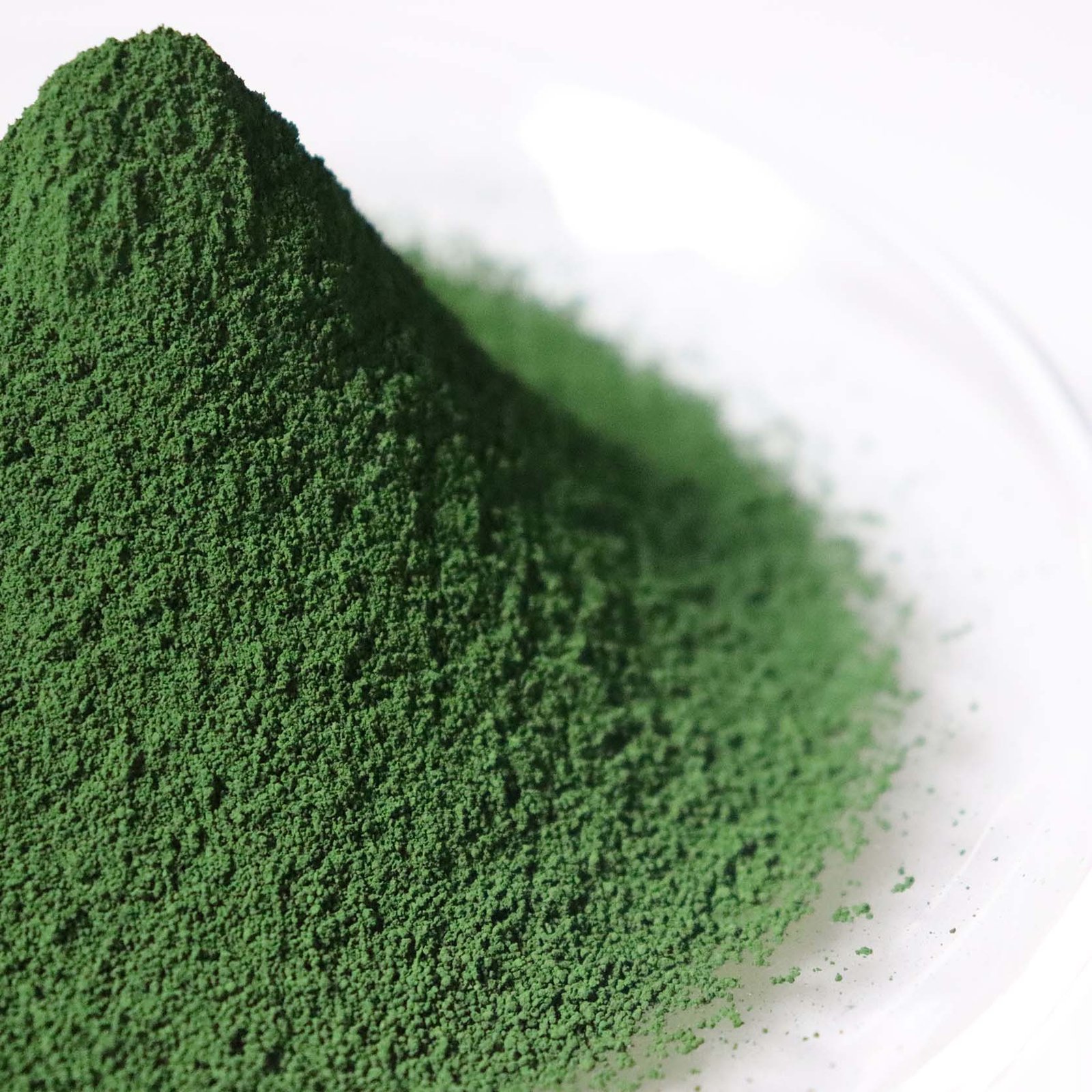
Introduction to Chromium Oxide Green in Electronic Ceramics
Chromium oxide green (Cr2O3) plays increasingly important roles in electronic ceramics technology, where its unique electrical, magnetic, and structural properties enable diverse applications in sensors, capacitors, magnetic devices, and advanced electronic components. The development of electronic ceramics has transformed modern electronics, enabling miniaturization, improved performance, and new device architectures.
Electronic ceramics, also known as functional ceramics, differ from structural ceramics in that their electrical, magnetic, or optical properties are the primary functional attributes. The precise control of composition, microstructure, and processing required to achieve targeted functional properties makes electronic ceramics a sophisticated technology.
Fundamentals of Electronic Ceramics
Electronic ceramic materials exhibit diverse electrical behaviors ranging from insulating to conducting to superconducting, depending on composition and microstructure. Chromium enters electronic ceramic compositions primarily as Cr3+ ions, which occupy specific crystallographic sites and influence electronic structure.
The transition metal nature of chromium, with partially filled d orbitals, creates possibilities for electron transfer and magnetic interactions that differ from main group elements. The crystal structures adopted by chromium-containing electronic ceramics determine their functional properties.
Varistor Materials and Surge Protection
Metal oxide varistors (MOVs), primarily based on zinc oxide with various additive oxides including chromium, provide essential surge protection for electrical and electronic systems. These devices exhibit highly nonlinear current-voltage characteristics, switching from insulating to conducting states as applied voltage exceeds threshold levels.
Chromium oxide additions to zinc oxide varistor compositions improve microstructure development and electrical characteristics. Chromium promotes the formation of beneficial secondary phases at grain boundaries that determine varistor behavior.
Modern electronic systems require varistors with increasingly demanding performance specifications, including lower voltage thresholds for protection of sensitive semiconductor devices.
Dielectric Ceramics and Capacitors
Ceramic capacitors, ubiquitous components in electronic circuits, employ dielectric materials with high dielectric constants to achieve large capacitance values in compact packages. Barium titanate-based compositions dominate this application area, but chromium additions modify dielectric properties for specific requirements.
Chromium substitution in barium titanate lattice sites stabilizes the paraelectric cubic phase and modifies temperature dependence of dielectric constant. These effects enable the development of temperature-compensating capacitors.
Microwave dielectric ceramics employed in resonators and filters for communications systems utilize chromium to achieve desired temperature coefficients and quality factors.
Magnetic Ceramic Materials
Ferrite ceramics, magnetic materials based on iron oxide with various substitutions, serve critical roles in inductors, transformers, and microwave components. Chromium additions modify magnetic properties of spinel-structure ferrites, enabling materials optimized for specific frequency ranges.
Manganese-zinc and nickel-zinc ferrites, the most widely used soft magnetic ferrite materials, often contain chromium additions that improve magnetic properties. Chromium substitution modifies the Curie temperature, saturation magnetization, and frequency characteristics.
Microwave ferrite devices including circulators, isolators, and phase shifters employ chromium-containing garnet and spinel materials for signal routing and control in communication systems.
Solid Oxide Fuel Cell Components
Solid oxide fuel cells (SOFCs) represent high-efficiency electrochemical energy conversion technology with applications ranging from stationary power generation to auxiliary power units. Chromium oxide-based materials and chromium-containing compositions play important roles in SOFC technology.
Ferritic stainless steel interconnects in SOFC stacks require protective coatings to prevent chromium migration from the steel into cathode layers. Chromium oxide and doped ceria coatings provide the required barrier function while maintaining electrical conductivity.
Alternative SOFC cathode materials incorporating chromium aim to improve performance and reduce cost compared to conventional compositions.
Piezoelectric and Electrostrictive Ceramics
Piezoelectric ceramics convert between electrical and mechanical energy, enabling applications including sensors, actuators, and transducers. Lead zirconate titanate (PZT) compositions dominate this application area, but chromium additions modify properties for specific requirements.
Chromium doping of PZT ceramics influences the morphotropic phase boundary region that separates tetragonal and rhombohedral phases. These compositional modifications affect piezoelectric coefficients, Curie temperature, and aging behavior.
Electrostrictive ceramics, which exhibit strain proportional to the square of applied electric field, benefit from chromium modifications in certain compositions.
Gas Sensors and Chemiresistors
Metal oxide gas sensors detect various gases through changes in electrical resistance when exposed to target gas species. Chromium oxide additions modify the sensing characteristics of tin oxide and zinc oxide base materials, enabling improved selectivity and sensitivity.
The mechanism of gas sensing involves surface chemical reactions that modify the charge carrier concentration in metal oxide semiconductor materials. Chromium additions influence surface chemistry and electronic structure.
Humidity sensors incorporating chromium oxide-based materials exploit the hygroscopic properties of certain compositions to achieve moisture detection.
Thermistor Materials
Thermal resistors (thermistors) exhibit resistance changes with temperature that enable temperature sensing and compensation functions. Negative temperature coefficient (NTC) thermistors, based on transition metal oxides including chromium, provide exponential resistance decrease with increasing temperature.
Nickel-manganese-cobalt spinel compositions, often with chromium additions, form the basis for commercial NTC thermistor materials. The carefully controlled valence states of transition metals determine electrical conductivity and temperature dependence.
Positive temperature coefficient (PTC) thermistors, based on barium titanate with various dopants, utilize chromium to modify the sharp resistance increase that occurs at the Curie temperature.
Manufacturing and Processing
Electronic ceramic manufacturing employs various processing routes depending on the specific material system and component requirements. Powder synthesis methods including solid-state reaction, co-precipitation, and sol-gel processes produce precursor powders with controlled composition.
Sintering processes consolidate ceramic bodies while developing the microstructure that determines final properties. Temperature, atmosphere, and time must be optimized for each composition.
Thin film and thick film deposition techniques produce electronic ceramic layers for hybrid circuits and microelectronic components. Chromium oxide thin films deposited by sputtering, evaporation, or chemical vapor deposition serve various electronic applications.
Quality Assurance and Testing
Electronic ceramic quality assurance encompasses characterization of raw materials, process monitoring, and testing of finished components against electrical specifications. Chromium content verification ensures batch-to-batch consistency.
Electrical testing of electronic ceramic components verifies parameters including dielectric constant, loss tangent, resistivity, and nonlinear characteristics. Statistical process control techniques ensure that production lots meet specification limits.
Environmental Considerations
The electronics industry continues to address environmental concerns related to various materials, including those containing chromium. While trivalent chromium (Cr3+) presents minimal hazard, hexavalent chromium (Cr6+) requires careful handling and regulatory compliance.
End-of-life electronic components containing chromium require appropriate recycling and disposal procedures. Research into improved recycling technologies continues to expand recovery possibilities.
Future Developments
Emerging electronic device architectures create new opportunities for chromium-containing ceramic materials. Neuromorphic computing systems may utilize resistive switching memories based on chromium oxide.
Wearable and flexible electronics present challenges for ceramic materials. Research into flexible ceramic composites and low-temperature processing may enable chromium oxide integration into emerging application areas.
Advanced sensors for Internet of Things applications require materials that combine sensitivity, selectivity, stability, and low power consumption. Chromium oxide-based sensors may contribute to these expanding markets.
Conclusion
Chromium oxide green has established essential roles in electronic ceramics technology, enabling diverse device applications through its influence on electrical, magnetic, and structural properties. From established applications in varistors, capacitors, and magnetic materials to emerging technologies in fuel cells and sensors, chromium contributions to electronic ceramics continue to expand.
As electronic systems advance toward greater miniaturization, functionality, and energy efficiency, the role of electronic ceramics will grow correspondingly. Chromium oxide versatile properties position it to contribute to these developments.