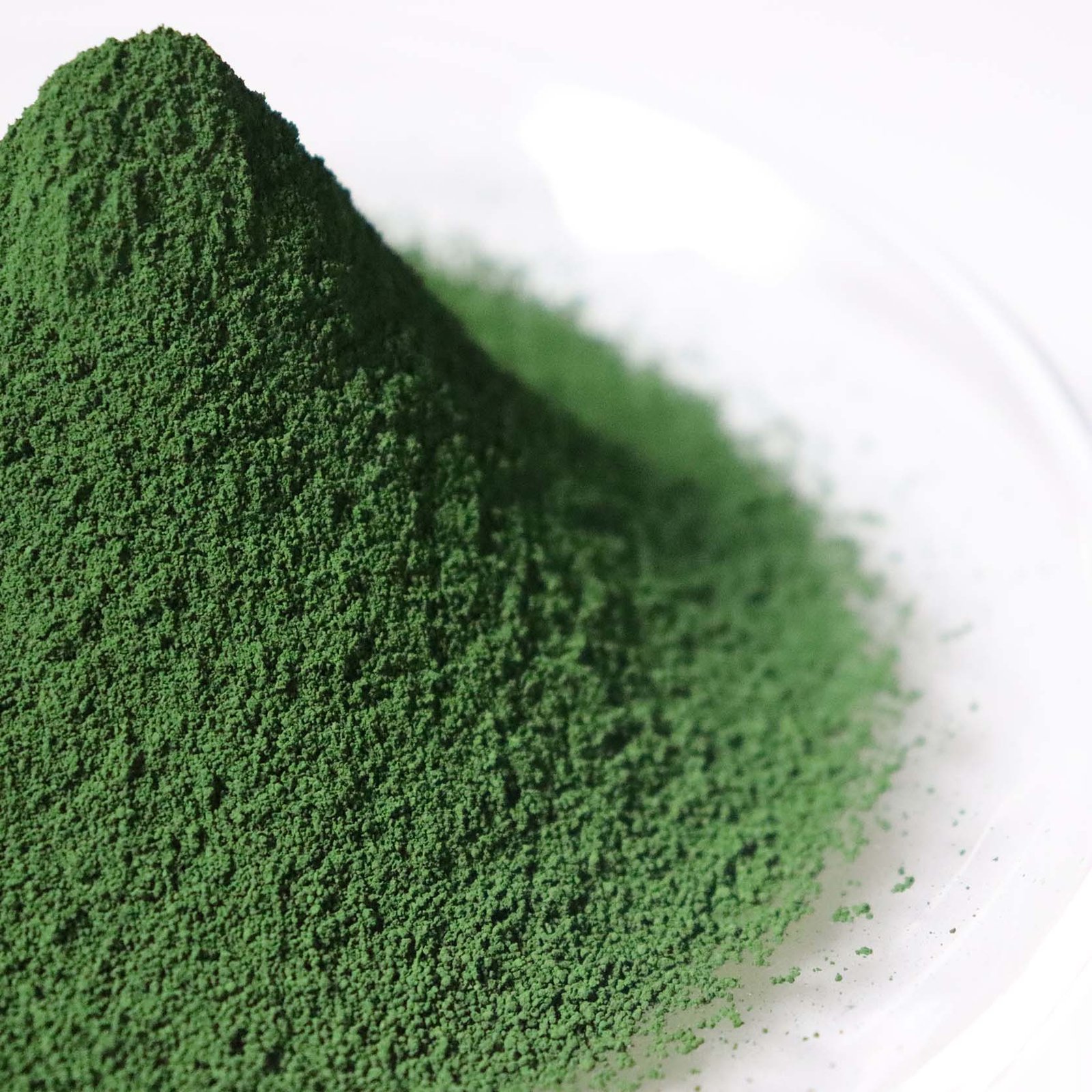

chromium oxide green (Cr₂O₃) is the most important green colorant in the ceramic industry, known for its exceptional high-temperature stability and color strength. From tableware to architectural ceramics, from art pottery to industrial ceramics, Cr₂O₃ is the preferred choice for achieving stable green tones.
Ceramic Coloring Characteristics
Property Description Color Stability Stable in oxidizing/reducing atmospheres, no fading Temperature Range Suitable for 800-1300°C firing temperatures Tone Range Olive green to deep green, adjustable by ratio Compatibility Compatible with most glaze systems Chemical Stability Acid/alkali resistant, no reaction with food
Ceramic Applications
Architectural Ceramics: Tiles, mosaics, and roof tiles use Cr₂O₃ colorants for durable green appearance. Excellent weather resistance ensures decades of outdoor use without fading.
Tableware: Dinnerware, tea sets, and vases use Cr₂O₃-colored glazes that are safe, non-toxic, and meet food contact standards.
Art Ceramics: Ceramic artists favor Cr₂O₃ for its predictable coloring and ability to blend with other colorants, creating rich visual effects.
Industrial Ceramics: Electrical ceramics, chemical ceramics, and other industrial ceramic products requiring specific colors benefit from Cr₂O₃’s stable coloring solution.
Usage Guidelines
- Body coloring: Addition rate 1-5%, mix uniformly before forming
- Underglaze decoration: Addition rate 2-8%, mix thoroughly with glaze base
- Colored glaze: Addition rate 3-10%, adjust according to desired tone depth
- Composite colors: Combine with ZnO, TiO₂, CoO for blue-green, yellow-green variations
VerdeChrome® Ceramic Grade Products
VerdeChrome® products customized for the ceramic industry:
- Strictly controlled particle size for uniform coloring
- Low impurity content to avoid glaze defects
- Batch consistency for controlled color difference
- Multiple purity grades available
Contact sales team for ceramic grade samples and technical data.