Application and Core Advantage Analysis of Chromium Oxide Green in Refractory Materials
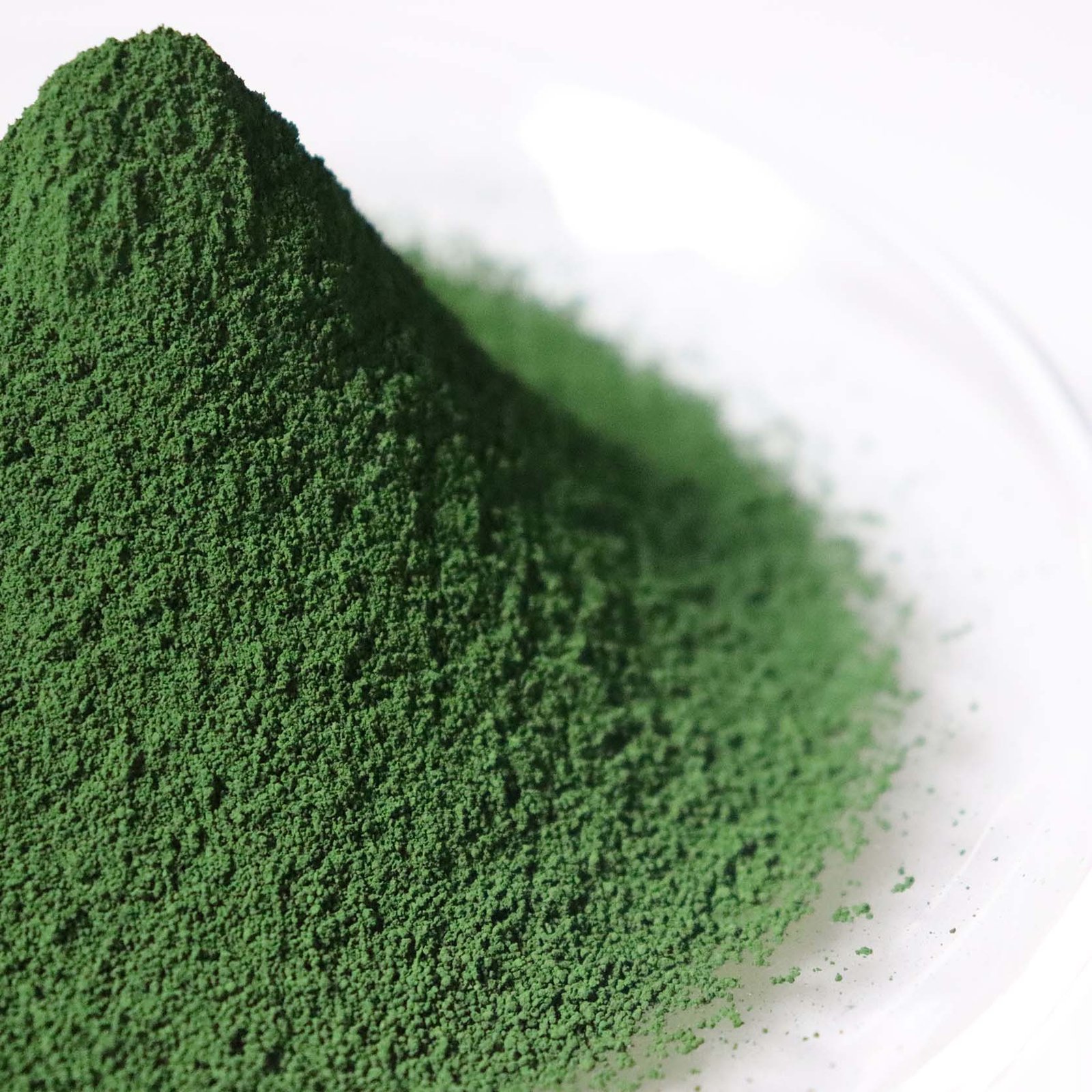
As a high-performance inorganic functional material, chromium oxide green (Cr₂O₃) has become a core component of high-end refractories, thanks to its ultra-high thermal stability (melting point 2435℃), excellent corrosion resistance and structural compatibility endowed by the α-phase hexagonal close-packed structure. Its application scenarios cover various high-temperature industries such as iron and steel, cement, glass, non-ferrous metal smelting, petrochemical industry, high-frequency melting and environmental protection treatment. By resisting extreme temperatures, molten medium erosion and thermal shock, it ensures the long-term stable operation of kilns. As a technology leader, VerdeChrome® has achieved key performance breakthroughs through crystal phase optimization, particle control and defect rate control (≤0.03%) on the basis of maintaining ultra-high purity of 98.0%-99.6%. Its product advantages are particularly prominent in comparison with mainstream refractories such as aluminum oxide, magnesium oxide, silicon carbide and spinel, continuously promoting the energy-saving and high-efficiency upgrading of high-temperature industries.
I. Core Application Scenarios of Chromium Oxide Green in Refractory Materials
Chromium oxide green is mainly in the form of refractory bricks and refractory castables, focusing on “extreme working condition adaptation + performance customization”, and showing irreplaceable advantages in various fields:
1. Chromium Oxide Green Refractory Bricks: The “Protective Core” in Extreme Environments
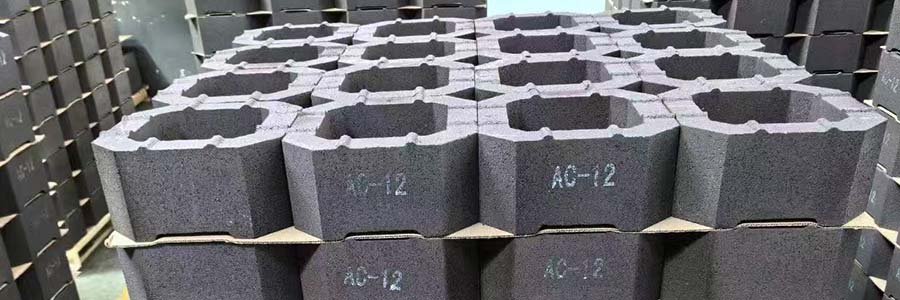
Chromium oxide green refractory bricks use high-purity Cr₂O₃ as aggregate, combined with ceramic binders or spinel (MgAl₂O₄) composite systems to produce high-density, low-porosity (≤10%) products, suitable for various extreme erosion scenarios:
(1) Traditional High-Temperature Industrial Scenarios
Iron and steel/non-ferrous metal smelting: In areas such as blast furnace tapholes, converter linings, and copper-nickel refining furnace linings, resistance to CaO-MgO-Al₂O₃ slag and molten metal erosion is required. Compared with alumina bricks (poor slag erosion resistance, prone to forming low-melting-point anorthite) and magnesia bricks (insufficient thermal shock stability, ≤8 times of water-cooled thermal shock), VerdeChrome® chromium oxide green bricks have more than 60% higher slag erosion resistance, better thermal shock stability (≥20 times of water-cooled thermal shock), and 1.5-2 times longer service life. Compared with silicon carbide bricks (prone to oxidation to form SiO₂ at high temperatures ≥1200℃ and react with iron group metals), its chemical inertness can avoid interface reactions, and the cost is only 60%-70% of that of silicon
Cement rotary kiln transition zone: This area faces alternating erosion of alkaline clinker (CaO content ≥60%) and high-temperature flue gas (1200-1400℃). Traditional electrofused chromia bricks have high porosity and are prone to penetration of alkali metal ions. VerdeChrome® products have low apparent porosity (≤10%), which can block the penetration of alkali metal ions and inhibit the formation of low-melting-point chromates. The service life is extended by 67%-100% compared with traditional electrofused chromia bricks (from 6-9 months to 12-18 months); compared with ordinary high-alumina bricks, the resistance to cement clinker erosion is increased by 50%, and the kiln energy consumption is reduced by more than 15%.
(2) Petrochemical Industry Kilns: Adaptation to Synergistic Working Conditions of Oil and Gas and Corrosion
Equipment such as regenerators of petrochemical catalytic cracking units (600-800℃), hydrogenation reactor bed linings and delayed coking coke drums are faced with corrosion by oil and gas, H₂S/SO₂ acidic media and frequent thermal shocks. Traditional high-alumina bricks are prone to pulverization and spalling, and the stability of silicon carbide bricks decreases in acidic atmosphere. However, VerdeChrome® chromium oxide green bricks, with their chemical inertness (highest level of tolerance to acids, alkalis, oil and gas), can resist the penetration of H₂S-H₂O corrosive media, and the low porosity reduces the diffusion channels of corrosive media. In the application of a regenerator of a catalytic cracking unit in a petrochemical enterprise, its service life is 2 times longer than that of high-alumina bricks, and the maintenance cycle is extended from 6 months to 18 months, greatly reducing the shutdown loss.
(3) High-Frequency Furnace Linings: Response to Rapid Temperature Changes and Molten Metal Erosion
High-frequency furnaces are used for rapid smelting of precious metals and special alloys (temperature 1600-1800℃). The furnace linings need to withstand rapid temperature changes of 50℃/min and molten metal infiltration. Pure magnesia bricks are prone to hydration and have poor thermal shock stability (prone to cracking), while alumina bricks have insufficient resistance to molten metal erosion. Through particle gradation optimization, VerdeChrome® chromium oxide green bricks have 67% higher thermal shock stability than traditional electrofused chromia bricks, and excellent resistance to molten metal infiltration, which can avoid product pollution caused by the reaction between refractories and alloys. In special alloy smelting, the qualification rate of alloy purity is increased to 99.8%.
(4) Expanded Scenarios: Adaptation to Environmental Protection and Special Industries
- Waste incineration power generation kilns: Faced with high temperatures of 1000-1200℃, corrosive fly ash containing Cl⁻/SO₄²⁻ and molten salt erosion, traditional magnesia-chrome bricks are prone to corrosion and spalling, and clay bricks have an extremely short service life. VerdeChrome® chromium oxide green bricks have strong chemical inertness, outstanding chlorine corrosion resistance, and hexavalent chromium content ≤5ppm, avoiding secondary pollution, and their service life is 1.5 times longer than that of magnesia-chrome bricks.
- High-temperature reactor linings in chemical industry: Coal chemical gasifiers (1300-1500℃) and organosilicon synthesis reactors need to resist high-temperature molten salt erosion. Compared with aluminum titanate bricks (limited corrosion resistance), VerdeChrome® products can resist the penetration of CO₂-H₂O and NaCl-KCl molten salts, ensure the sealing performance of reactors, and reduce the risk of medium leakage.
- Aerospace material test furnaces: Need to maintain a constant temperature above 1800℃ for a long time, and the refractories should not have volatile substances to contaminate the samples. The high-purity (98.0%-99.6%) and low-volatility characteristics of VerdeChrome® chromium oxide green bricks can meet the cleanliness requirements of test furnaces, and the ultra-high thermal stability ensures the long-term structural integrity of the furnace linings.
2. Chromium Oxide Green Refractory Castables: A “Precision Adaptation Solution” for Complex Structures
Chromium oxide green refractory castables use chromium oxide green as aggregate or functional additive (dosage 5%-15%), compounded with high-alumina cement, electrofused corundum, etc., to realize integral casting of complex structures through self-flowing/vibration forming. The core advantages lie in construction convenience and structural integrity:
- Petrochemical industry: For complex structural parts such as hydrogenation reactor inlet diffusers and catalytic cracking cyclone separators, traditional refractory brick masonry is prone to gap leakage. The fluidity value of VerdeChrome® castables is ≥300mm, the apparent porosity after curing is ≤10%, the compressive strength (dried at 110℃) is ≥80MPa, and the oil and gas corrosion resistance and thermal shock stability are 40% higher than those of ordinary castables, avoiding safety risks caused by medium leakage.
- High-frequency furnaces: Irregular parts such as furnace bottoms and furnace wall corners need precise filling of complex structures. The castables can withstand molten metal scouring and rapid temperature changes, and their service life is more than 50% longer than that of alumina castables.
- Environmental protection field: The secondary combustion chambers of waste incineration kilns and the inner linings of hazardous waste treatment kilns need to balance corrosion resistance and environmental protection. The chlorine corrosion resistance and low heavy metal residue characteristics of VerdeChrome® castables meet environmental protection and safety requirements, reducing the maintenance frequency by 60%.
II. Performance Comparison Between Chromium Oxide Green and Mainstream Refractory Components
The core competitiveness of chromium oxide green comes from the three-dimensional balance of “high-temperature stability – corrosion resistance – structural compatibility”, with significant advantages compared with various mainstream refractories:
III. Development Trend of Chromium Oxide Green Refractories and VerdeChrome®’s Technical Layout
With the transformation of high-temperature industries towards “high efficiency, energy saving, environmental protection and long service life”, chromium oxide green is moving towards “compoundization, precisionization, environmental protection and scenario diversification”. VerdeChrome® leads technological iteration through continuous R&D:
1. Particle Precision and Formula Customization Upgrade
VerdeChrome® has achieved narrow distribution control of main particle size of 1.0-2.0μm. In the future, it will customize particle gradation and formula systems for segmented scenarios such as petrochemical kilns (oil and gas corrosion resistance), high-frequency furnaces (thermal shock resistance) and waste incineration kilns (chlorine corrosion resistance). For example, develop a “chromium oxide green-spinel” composite system for petrochemical scenarios to improve oil and gas corrosion resistance; optimize particle gradation for high-frequency furnaces to enhance thermal shock stability.
2. Composite Modification and Extreme Working Condition Adaptation
A single component can no longer meet complex working conditions. VerdeChrome® develops composite powders through surface coating (Al₂O₃, ZrO₂) and doping modification (Zr⁴⁺, Ti⁴⁺): develop “chromium oxide green-silicon nitride” composite powders for chlorine corrosion in waste incineration kilns; launch “chromium oxide green-aluminum titanate” composite systems for high-temperature and high-pressure corrosion in chemical reactors, achieving multi-dimensional improvement of “corrosion resistance – thermal shock resistance – low volatility”.
3. Environmental Compliance and Green Upgrade
VerdeChrome® adheres to the bottom line of environmental protection. The hexavalent chromium content of its products is ≤5ppm, far lower than the EU REACH and US EPA standards. In the future, it will further optimize impurity control technology, promote the R&D of refractory recycling and reuse processes, and realize the whole life cycle greening of “materials – processes – recycling” in environmentally sensitive fields.
4. Scenario Customization and Integrated Solutions
VerdeChrome® is transforming from “material supply” to “scenario-customized solutions”. For specific kiln parts in various industries, it provides integrated services including component selection, formula optimization, construction parameter suggestions and later maintenance guidance. For example, customize high-density chromium oxide green bricks for regenerators of petrochemical catalytic cracking units, and develop special castables for high-frequency furnaces to maximize efficiency through precise adaptation.
Relying on its irreplaceable high-temperature performance, chromium oxide green has become the core support of high-end refractories, and its application fields have expanded from traditional industries to petrochemical, environmental protection, chemical, aerospace and other diversified scenarios. Driven by technological innovation, VerdeChrome® continues to expand the application value of chromium oxide green through the advantages of high purity, low defect rate and precise particle control in comparison with mainstream materials such as aluminum oxide, magnesium oxide and silicon carbide, solving the pain points of traditional refractories such as “short service life, easy failure and heavy pollution”. In the future, with continuous technological breakthroughs, chromium oxide green refractories will achieve breakthroughs in more extreme working conditions, injecting strong momentum into the high-quality development of global high-temperature industries.