
Introduction to High Chrome Bricks in Industrial Refractories
High chrome bricks, containing chromium oxide (Cr2O3) concentrations typically exceeding 30% and often ranging up to 90% or higher, represent some of the most specialized refractory products available for extreme industrial applications. These materials excel in environments where conventional refractories fail rapidly, providing the performance necessary for advanced steelmaking, non-ferrous metallurgy, and specialty glass production. The exceptional chemical stability, high melting point, and corrosion resistance of chromium oxide make these bricks invaluable for demanding applications that push other materials beyond their capabilities.
The development of high chrome brick technology has paralleled the advancement of industrial processes requiring ever-higher operating temperatures and more corrosive environments. From basic oxygen steelmaking to sophisticated specialty glass production, these refractory products enable processes that would be impossible with less capable materials. The investment in premium high chrome refractories pays dividends through extended campaign lives, improved product quality, and reduced maintenance downtime.
Composition and Manufacturing of High Chrome Bricks
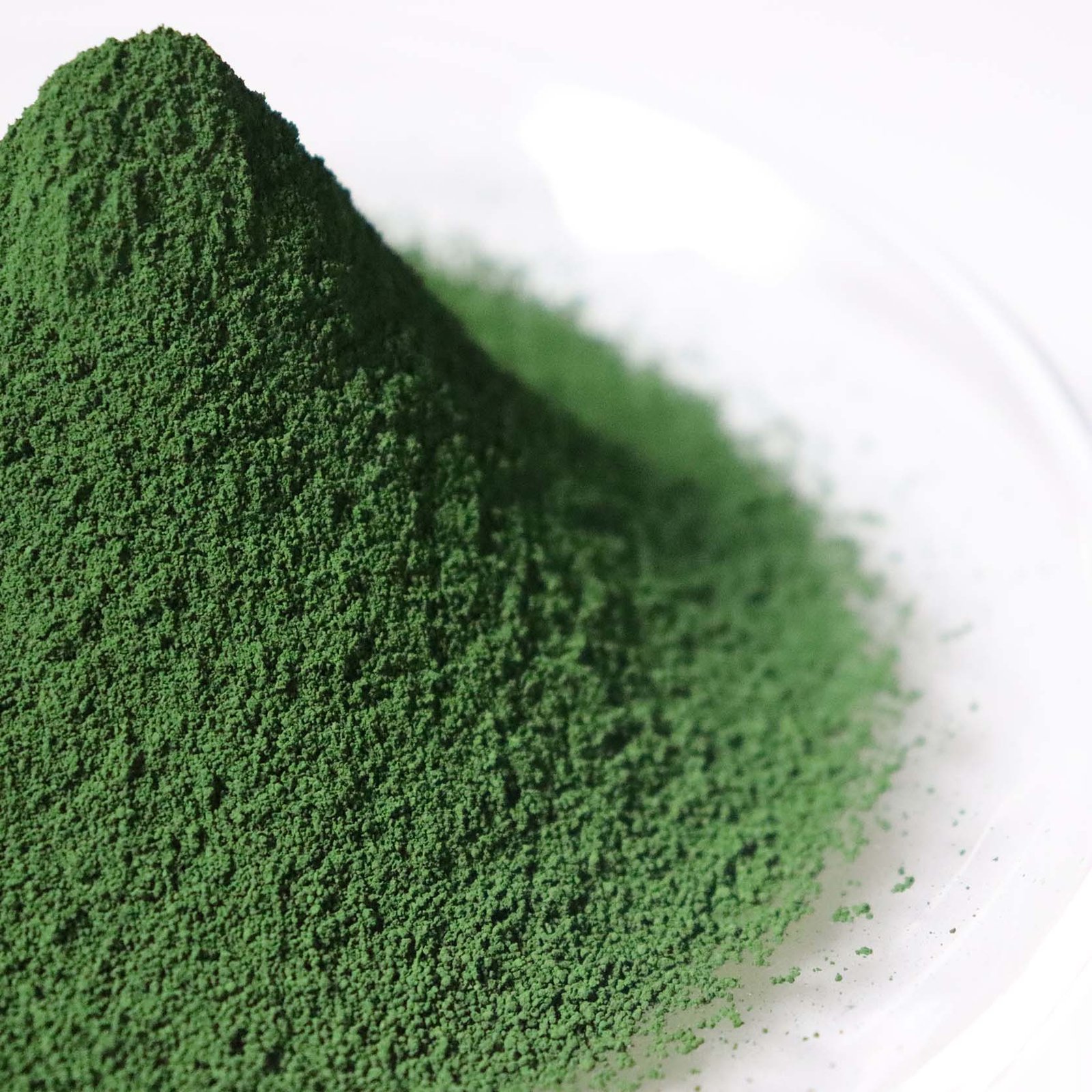
High chrome bricks are manufactured primarily from chromium oxide powder, with varying additions of other oxides depending on the specific application requirements. The basic raw material, typically produced by processing chromite ore or chemical precipitation methods, must meet stringent purity specifications to ensure consistent product performance. Impurity levels, particularly silica and other fluxes, directly affect the hot strength and corrosion resistance of finished bricks.
Manufacturing processes for high chrome bricks employ pressing methods including hydraulic pressing and isostatic pressing to achieve the high densities required for optimal performance. The pressed brick bodies undergo high-temperature firing at temperatures typically exceeding 1600C, where the chromium oxide particles sinter together to form a dense, coherent refractory structure. The firing atmosphere must be carefully controlled to prevent unwanted reduction of chromium oxide.
Post-firing processing, including grinding to precise dimensions and quality inspection, ensures that installed bricks meet the tight tolerances required for proper installation and performance. Surface quality and edge condition affect how bricks seal against adjacent units, influencing overall lining performance. Quality assurance procedures verify that each brick meets specifications before shipment to customers.
Properties of High Chrome Refractory Bricks
The exceptional chemical stability of chromium oxide provides high chrome bricks with outstanding resistance to both acidic and basic slags and glasses. Unlike some refractory oxides that perform well in either acidic or basic environments but fail in the other, high chrome bricks provide reliable protection across diverse corrosive media. This versatility simplifies material selection for applications involving multiple process streams or variable compositions.
The high melting point of chromium oxide, approximately 2265C, enables high chrome bricks to maintain structural integrity at temperatures approaching the practical limits of refractory technology. This thermal capability becomes essential in processes operating above 1500C where conventional materials would soften, melt, or undergo damaging phase transformations. The thermal stability of high chrome bricks supports consistent performance throughout extended production campaigns.
Thermal shock resistance, while more limited in pure chrome bricks than in some alternatives, can be improved through careful formulation and microstructure control. Additions of alumina or zirconia create composite structures that provide better thermal shock performance while maintaining chromium oxide corrosion resistance. These optimized formulations balance competing property requirements for specific applications.
Steelmaking Applications for High Chrome Bricks
Primary steelmaking processes, including electric arc furnaces and argon oxygen decarburization (AOD) vessels, employ high chrome bricks in the most demanding lining locations. The severe conditions in these vessels, including extreme temperatures, intense slag attack, and thermal cycling, require the exceptional performance that high chrome refractories provide. The relatively high cost of these premium materials is justified by their extended service life in these critical applications.
Electric arc furnace sidewalls and roofs experience severe thermal exposure from the electric arc, combined with slag splashing and mechanical erosion from scrap charging. High chrome brick linings in these locations provide the thermal insulation and corrosion resistance required for extended campaign lives between relines. The productivity gains from reduced downtime more than offset the premium refractory cost.
AOD vessels, used for chromium recovery and refining in stainless steel production, present particularly challenging refractory requirements. The combination of high temperatures, oxidizing conditions, and highly corrosive synthetic slags attacks most refractory materials rapidly. High chrome bricks provide the only economical lining solution for these severe conditions, enabling the economic production of stainless and specialty steels.
Non-Ferrous Metallurgy Applications
Copper and nickel production processes employ high chrome bricks in applications where conventional refractories cannot survive. The highly oxidizing conditions and aggressive slag compositions in these operations require the exceptional corrosion resistance that chromium oxide provides. Process economics often favor the use of premium high chrome refractories due to the extended campaign lives they enable.
Copper converters, where copper matte is oxidized to crude copper, expose refractories to severe thermal and chemical attack. The combination of high temperatures, oxidizing atmosphere, and silica-iron-calcium slags creates conditions where only high chrome bricks provide acceptable performance. The extended lining lives enabled by these refractories reduce converter downtime and improve overall plant productivity.
Nickel production using electric furnace melting requires refractories capable of withstanding high temperatures and corrosive nickel oxide slags. High chrome brick linings in furnace sidewalls and hearth areas provide the performance necessary for economic operation at the temperatures required for nickel concentrate smelting. These demanding applications demonstrate the thermal capability of high chrome refractories.
Glass Furnace Applications
Specialty glass production, including optical glass, pharmaceutical glass, and television glass, requires refractories that will not contaminate the highly purified glass melts. High chrome bricks provide exceptional corrosion resistance while minimizing the release of impurities that could affect glass quality. The controlled purity of premium high chrome products ensures compatibility with the most demanding glass specifications.
Glass furnacecheckerwork and upper structure linings benefit from high chrome brick applications where premium performance justifies the additional cost. The hot-face exposure to glass vapor and flame gases creates corrosive conditions that attack conventional refractories. High chrome brick linings maintain dimensional stability and minimize erosion in these demanding locations.
硼硅玻璃 and other specialized glass compositions require particularly corrosion-resistant refractories due to their tendency to attack conventional materials. High chrome bricks have proven their reliability in these demanding applications, providing the performance necessary for economic production of specialty glass products.
Cement and Lime Industry Applications
Modern cement kilns, operating at temperatures exceeding 1400C with highly碱性 slags, require refractories capable of withstanding both thermal and chemical attack. While chrome-containing refractories have been largely replaced in primary burning zone applications due to concerns about chromium volatility, high chrome bricks find application in transition zones and tertiary air ducts where conditions remain demanding.
Lime kilns, which produce quicklime by calcining limestone at temperatures up to 1100C, present refractory challenges related to fuel type, atmosphere, and lime dust. High chrome bricks provide reliable performance in lime kiln burning zones where the combination of temperature, abrasion, and chemical attack exceeds the capability of conventional refractories.
Petrochemical and Energy Applications
High-temperature gasifiers and reformers in petrochemical and energy production employ high chrome bricks in applications requiring exceptional thermal and chemical performance. The reducing atmospheres in these processes attack many refractory materials, but high chrome bricks maintain stability and structural integrity. These demanding applications extend the versatility of high chrome technology into new industrial sectors.
Gasification of coal, petroleum coke, and other feedstocks produces syngas at temperatures exceeding 1300C with highly corrosive gas compositions. High chrome brick linings in gasifier throats and quench zones provide the performance necessary for reliable operation. The reliability of these refractories directly affects plant availability and economic performance.
Installation and Lining Design
Proper installation of high chrome bricks requires attention to joint spacing, mortar selection, and anchoring that differs from conventional refractory practices. The thermal expansion characteristics of high chrome materials require careful accommodation in lining design to prevent compressive failure during heating. Expansion joints and appropriate backfill materials support stable lining performance.
Mortar selection for high chrome brick installation must account for the chemical environment and thermal exposure the lining will experience. Conventional mortars may not provide adequate performance in severe applications, requiring specialized high-chrome or chrome-containing mortar products. The compatibility between bricks and mortars affects overall lining integrity.
Anchoring systems for high chrome brick linings must accommodate thermal expansion while providing secure attachment to supporting steel structures. The relatively high density of high chrome bricks requires robust anchoring compared to lighter refractory materials. Experienced installation contractors understand these requirements and implement appropriate practices.
Performance Monitoring and Life Extension
Monitoring of high chrome brick lining condition during service enables planned maintenance and life extension strategies. Temperature measurements, thickness monitoring, and visual inspection provide data for predicting remaining lining life. These predictive maintenance approaches minimize unexpected failures while optimizing lining replacement timing.
Thermocouple arrays embedded in linings or surface pyrometers enable continuous monitoring of hot-face temperatures that indicate lining condition. Elevated temperatures may signal lining erosion or degradation that requires attention. Modern plant instrumentation supports sophisticated monitoring approaches that improve reliability and reduce maintenance costs.
Repair and patching of high chrome linings during planned shutdowns can extend overall campaign life by addressing local degradation before it propagates. Gunning or casting repairs with appropriate chrome-containing gunite or castable materials restores lining thickness where erosion has occurred. These maintenance practices maximize the return on initial refractory investment.
Environmental and Regulatory Considerations
The refractory industry has addressed environmental concerns related to chromium through comprehensive manufacturing controls and responsible product stewardship. Modern high chrome brick production employs closed-loop water systems, efficient dust collection, and emissions controls that minimize environmental releases. These practices ensure compliance with increasingly stringent environmental regulations.
Worker safety in high chrome brick manufacturing and installation receives priority attention through engineering controls, personal protective equipment, and training programs. Exposure monitoring ensures that occupational chromium levels remain below regulatory limits. These investments protect workers while enabling continued production of these important industrial materials.
End-of-life management of spent high chrome refractories presents challenges and opportunities. Recycling of these materials, where technically and economically feasible, reduces waste disposal requirements while conserving natural resources. Development of improved recycling technologies continues to expand the possibilities for responsible lifecycle management.
Quality Assurance and Testing
High chrome brick quality assurance encompasses comprehensive testing of raw materials, process monitoring during manufacturing, and evaluation of finished products against specifications. Chromium oxide content, purity, and particle size distribution are carefully controlled to ensure consistent product performance. Each production lot undergoes testing to verify compliance with specification requirements.
Hot modulus of rupture, creep resistance, and thermal shock testing evaluate high-temperature performance characteristics that determine application suitability. These accelerated tests provide predictive data for service performance while enabling quality verification. Correlation between laboratory test results and actual service performance guides specification refinement.
Chemical analysis including X-ray fluorescence and inductively coupled plasma methods verifies chromium content and impurity levels. These analytical techniques provide the precision required for quality assurance of premium refractory products. Statistical process control ensures consistent quality across production batches.
Selection Guidelines and Specification
Selection of appropriate high chrome brick grade requires analysis of application conditions including temperature, atmosphere, slag composition, and thermal cycling. Consultation with refractory suppliers and application specialists helps identify optimal products for specific requirements. The investment in proper material selection pays dividends through extended service life and reduced maintenance costs.
Specification development for high chrome brick procurement should address key performance parameters including chromium oxide content, porosity, strength, and corrosion resistance. Reference to relevant industry standards ensures consistent quality requirements. Supplier qualification programs verify that purchased products meet specification requirements consistently.
Future Developments in High Chrome Technology
Research continues to improve high chrome brick performance through optimized compositions and manufacturing processes. Nanostructured materials offer potential advantages in hot strength and thermal shock resistance. Computational materials science accelerates development by predicting optimal formulations before experimental verification.
Carbon-reduced steelmaking processes present new opportunities for high chrome refractories in applications where conventional materials cannot perform adequately. The versatility of chromium oxide in various atmospheres and environments positions these materials to contribute to emerging process technologies.
Conclusion
High chrome bricks represent the pinnacle of refractory technology for the most demanding industrial applications. Their exceptional combination of chemical stability, high-temperature strength, and corrosion resistance enables processes and production rates that would be impossible with less capable materials.
From primary steelmaking to specialty glass production, high chrome refractories provide the reliable performance that modern industrial processes require. The continued development of improved products ensures that these materials will meet the evolving challenges of advanced manufacturing for decades to come.