
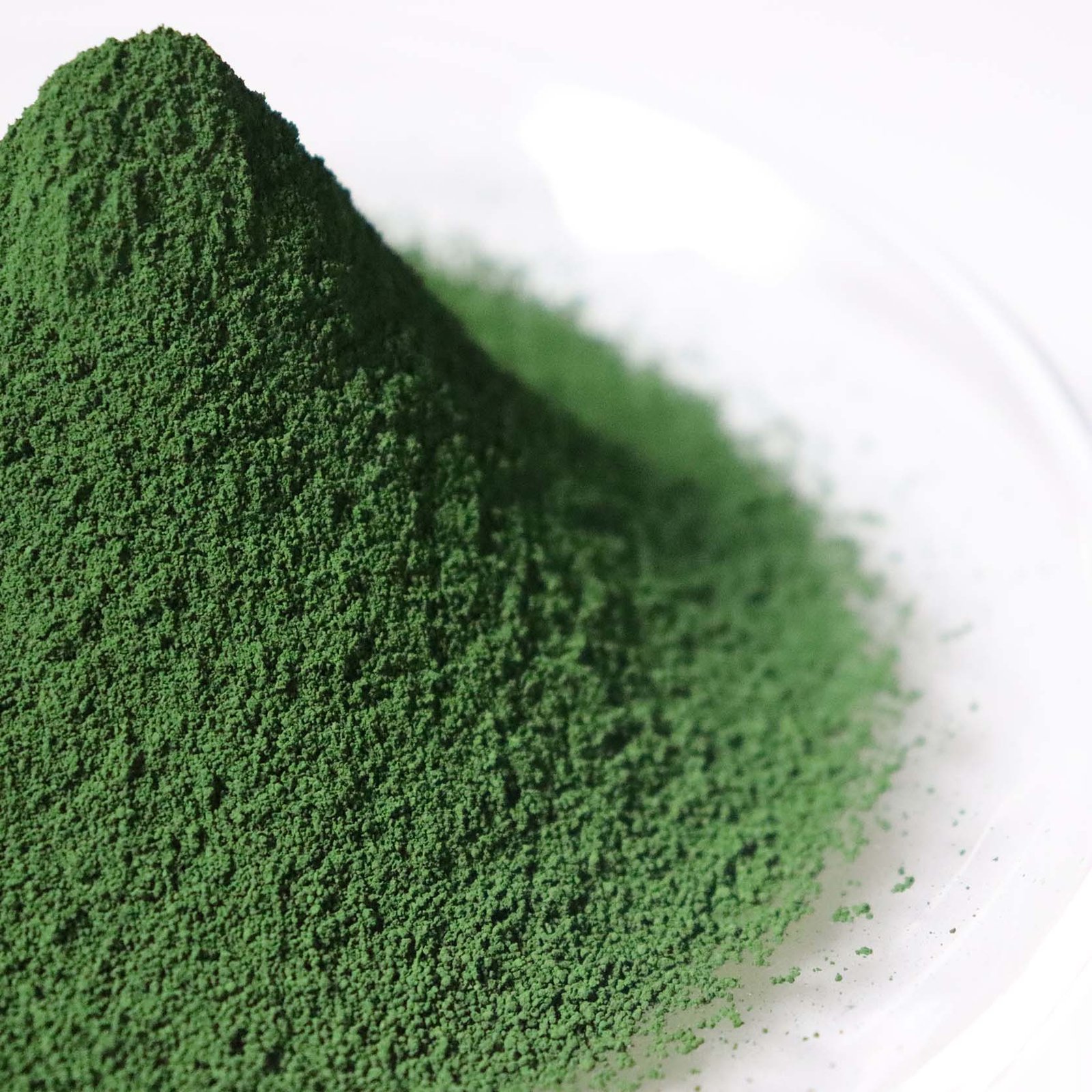
Introduction to Chromium Oxide Green in Ceramic Glazes and Colors
Chromium oxide green (Cr2O3) has been a cornerstone of ceramic glaze and color technology for centuries, providing the distinctive green hues that define many of the world’s most celebrated ceramic traditions. From the celadon glazes of ancient China to contemporary sanitary ware and architectural tiles, chromium oxide delivers stable, beautiful coloration that withstands the extreme temperatures of ceramic firing while maintaining color integrity through decades of use.
The unique properties of chromium oxide make it exceptionally well-suited for ceramic applications where color development must survive harsh processing conditions. Unlike organic pigments that decompose during firing, chromium oxide maintains its chemical identity and color-producing capability throughout the ceramic manufacturing process. This thermal stability, combined with its excellent resistance to chemical attack, makes Cr2O3 invaluable for both traditional pottery and advanced technical ceramics.
Chemistry of Chromium in Ceramic Systems
The coloration mechanism of chromium in ceramic glazes depends critically on the oxidation state and chemical environment during firing. Trivalent chromium (Cr3+), the stable form under typical ceramic firing conditions, produces green coloration through ligand field transitions. The specific hue achieved depends on the glaze composition, firing temperature, and atmosphere, enabling ceramic artists and manufacturers to achieve diverse green effects from pale sage to deep forest.
Under strongly oxidizing conditions at high temperatures, chromium may oxidize to the yellow Cr6+ state, which can produce orange or brown coloration rather than green. Careful control of kiln atmosphere during the firing cycle ensures that chromium remains in the desirable Cr3+ state to develop intended green coloration. Modern kiln technology enables precise atmosphere control that supports consistent color development batch to batch.
In reduction firing, where oxygen-deficient conditions prevail, chromium behavior can differ significantly from oxidizing conditions. Skilled potters manipulate firing atmosphere to create unique color effects, including the distinctive “oxide break” colors where chromium produces brown or amber tones where the glaze pools or thickens. These complex color responses make chromium oxide particularly valued in artistic ceramic traditions.
Celadon and Traditional Green Glazes
The celadon tradition, originating in Song Dynasty China, represents one of the most celebrated uses of chromium in ceramics. These translucent jade-like glazes achieve their characteristic blue-green coloration through the combined effects of iron and chromium, with iron providing the base color and chromium enhancing and stabilizing the green hue. The subtle color variations achievable through chromium concentration adjustments and firing manipulation create the prized tonal diversity of authentic celadon wares.
Traditional celadon glazes typically contain chromium additions in the range of 0.5-2%, combined with iron oxide and various flux materials. The complex glaze chemistry, including silica, alumina, and calcium ratios, influences how chromium integrates into the glassy matrix during firing. Firing temperatures between 1200-1300C in reducing atmospheres promote the formation of characteristic celadon colors.
Contemporary ceramic artists continue to explore chromium-based celadon glazes, developing new variations that honor traditional aesthetics while incorporating modern materials and firing techniques. Wood-fired, salt-fired, and gas kiln atmospheres each create distinctive chromium color responses that expand the creative possibilities of this ancient tradition.
Industrial Ceramic Glaze Applications
Modern ceramic tile and sanitary ware manufacturers utilize chromium oxide to produce consistent green coloration across high-volume production runs. The predictability and stability of chromium-based glazes ensures uniform product quality while meeting the demanding specifications of architectural and sanitary applications. These industrial applications require glazes that resist scratching, staining, and chemical attack during product lifetime.
Floor and wall tiles incorporating chromium-tinted glazes serve residential, commercial, and institutional applications where durability and color consistency are essential. The chemical resistance of chromium-containing glazes ensures that color remains stable despite exposure to cleaning agents, foot traffic, and environmental conditions. These performance characteristics drive the preference for chromium oxide in demanding tile applications.
Sanitary ware including toilets, washbasins, and bathtubs often employs chromium-derived green glazes for both aesthetic and functional purposes. The smooth, non-porous surface created by these glazes resists bacterial growth and facilitates cleaning while providing the attractive appearance expected in bathroom environments. Hospital and healthcare facilities particularly value these hygienic surface characteristics.
Architectural Ceramics and Quarry Tiles
Architectural ceramics including quarry tiles, paver tiles, and exterior cladding panels utilize chromium oxide coloration for applications requiring durability under extreme conditions. These products must withstand weathering, freeze-thaw cycles, and mechanical stress while maintaining color stability over decades of service. Chromium oxide provides the proven performance required for these demanding applications.
Quarry tiles for commercial kitchens and industrial facilities often incorporate chromium-tinted surfaces that provide both aesthetic appeal and functional benefits. The slip-resistant properties achievable with textured chromium-containing glazes enhance safety in wet environments while the color options support diverse design requirements. These specialized products serve demanding applications where ordinary tile materials would fail.
Exterior architectural panels and building facades employing chromium-colored ceramic surfaces offer superior weather resistance compared to painted or coated alternatives. The permanence of chromium oxide coloration eliminates the maintenance and repainting requirements associated with surface coatings, providing lifecycle cost advantages for building owners and designers.
Technical and Functional Ceramic Coatings
Beyond aesthetic coloration, chromium oxide serves important functional roles in technical ceramic coatings. These specialized applications exploit chromium’s chemical stability and thermal resistance to create surfaces with enhanced durability, corrosion resistance, or catalytic properties. The combination of functional and aesthetic benefits expands the value proposition of chromium-containing ceramic coatings.
Chemical-resistant linings for industrial tanks and processing equipment utilize chromium-containing ceramic coatings that withstand aggressive chemical environments. These protective coatings extend equipment service life while providing the smooth, non-reactive surfaces required for many chemical processes. The reliability of chromium oxide in these demanding applications reduces maintenance costs and process downtime.
Thermal barrier coatings incorporating chromium oxide contribute to energy efficiency in high-temperature industrial processes. By protecting underlying metal components from heat damage, these coatings enable higher operating temperatures and improved process efficiency. The thermal expansion compatibility between chromium oxide and many metal substrates supports reliable coating adhesion and performance.
Underglaze and Onglaze Color Applications
Ceramic decoration techniques including underglaze and onglaze painting utilize chromium-based pigments to create detailed designs that survive the firing process. Unlike glaze surface decorations that may wear away during use, underglaze colors are bonded within the glaze layer, providing permanent decoration that maintains appearance throughout product lifetime. These techniques enable complex patterns and photographic-quality images on ceramic surfaces.
Underglaze pigments containing chromium oxide must survive the high temperatures required for glaze maturation without color shift or degradation. The thermal stability of chromium oxide enables these demanding applications where less stable pigments would fail. Careful formulation ensures that underglaze colors develop intended hues during firing while maintaining crisp detail in complex designs.
Screen printing and decal application techniques enable mass production of chromium-decorated ceramic ware with consistent quality and intricate patterns. These industrial decoration methods support high-volume production of tableware, giftware, and promotional items with decoration quality previously achievable only through handpainting. The consistency of chromium-based pigments supports these precision manufacturing processes.
Majolica and Earthenware Traditions
Majolica and other earthenware traditions that fired at lower temperatures than stoneware or porcelain employ chromium oxide coloration to create characteristic green effects. The tin-glazed earthenware tradition, originating in the Islamic world and flourishing in Italian Renaissance ceramics, utilized chromium-containing pigments to create distinctive green hues that remain vibrant after centuries.
Contemporary majolica artists continue to explore chromium color possibilities within this rich historical tradition. The combination of bright, opaque tin glaze with chromium green creates characteristic visual effects unavailable with other colorants. These artistic applications demonstrate the ongoing relevance of chromium oxide in fine ceramic art.
Contemporary earthenware manufacturers incorporate chromium-based colors in products ranging from decorative tiles to garden pottery, exploiting the color stability and processing flexibility that chromium provides at lower firing temperatures. These applications extend the traditional uses of chromium into modern product categories.
Glaze Formulation Principles
Successful incorporation of chromium oxide into ceramic glazes requires understanding of glaze chemistry and firing behavior. The chromium content, typically in the range of 0.1-5% depending on intended color intensity, must be balanced against potential issues including pinholing, crawling, or color variation. Experienced glaze formulators develop recipes that optimize chromium performance within specific ceramic system constraints.
The flux system, which determines glaze melting behavior and final glass structure, significantly influences how chromium develops color in the fired glaze. Lead, alkali, and boron fluxes each create different glaze matrices that interact differently with chromium ions. These interactions affect color intensity, hue, and stability in ways that experienced formulators learn to predict and control.
Alumina content, which controls glaze viscosity and durability, must be carefully balanced when formulating chromium-containing glazes. High alumina levels can suppress chromium color development, while low alumina may produce glazes that lack durability for intended applications. The skilled ceramic chemist balances these competing requirements to achieve optimal performance.
Firing and Atmosphere Control
Kiln atmosphere during firing critically affects chromium color development, requiring careful control throughout the firing cycle. Oxidizing atmospheres during the peak firing temperature generally favor green coloration, while reduction conditions may produce brown or amber tones. Understanding these atmosphere effects enables potters and manufacturers to achieve intended color results consistently.
Electric kilns, with their precisely controllable atmospheres, offer particular advantages for chromium glaze work where atmosphere consistency is essential. The absence of combustion byproducts in electric kilns eliminates variables that can affect chromium color in fuel-fired kilns. These advantages support consistent production of chromium-colored ceramics in industrial settings.
Cooling rate after peak temperature affects the final color achieved with some chromium-containing glazes. Controlled cooling enables manipulation of color intensity and hue within the range permitted by glaze composition. Experienced ceramicists develop firing schedules that optimize chromium color development for specific products and effects.
Quality Control in Industrial Ceramic Production
Industrial ceramic manufacturers implement comprehensive quality control procedures to ensure consistent chromium coloration across production. Raw material testing verifies chromium oxide purity and particle size distribution that affect color development. Batch weighing and mixing procedures prevent variations that could create color differences between production lots.
Process monitoring during glaze application ensures uniform coverage and thickness that affect final color consistency. Spray application parameters, including pressure, distance, and pattern overlap, require careful control for consistent results. Surface preparation of ceramic bodies prior to glazing affects how glaze adheres and develops color during firing.
Finished product inspection verifies that color matches reference standards within acceptable tolerances. Spectrophotometric color measurement provides objective data for quality verification and process control. Statistical process control techniques identify trends that might indicate developing quality problems before they create out-of-specification products.
Environmental and Safety Considerations
Ceramic glaze manufacturing and application present occupational exposure considerations for chromium-containing materials. Dust inhalation during handling and spraying requires appropriate engineering controls and personal protective equipment. Modern production facilities implement comprehensive exposure management programs that protect workers while enabling efficient production.
Environmental releases from ceramic manufacturing require appropriate controls to prevent contamination of air, water, and soil. Chromium-containing waste materials require handling and disposal according to applicable regulations. Responsible manufacturers implement waste minimization and recycling programs that reduce environmental impact.
The stability of chromium oxide in finished ceramic products ensures that these items present minimal risk during normal use. The chromium is chemically bound within the glassy glaze matrix, preventing leaching or exposure during handling. This safety profile supports the use of chromium-colored ceramics in food contact and other sensitive applications.
Future Developments in Ceramic Chromium Applications
Research into new ceramic glaze formulations continues to expand the possibilities for chromium color development. Nanoparticle chromium oxide materials offer potential advantages in color intensity and firing range compared to conventional pigment grades. These advanced materials may enable new aesthetic effects while improving manufacturing efficiency.
Sustainable manufacturing initiatives drive development of lower-temperature glaze systems that reduce energy consumption in ceramic production. Chromium oxide compatibility with these emerging formulations ensures continued relevance in environmentally-optimized manufacturing processes.
Digital decoration technologies, including inkjet printing of ceramic glazes, present opportunities for chromium-based colorants. These emerging technologies may enable new aesthetic possibilities while improving manufacturing flexibility and efficiency.
Conclusion
Chromium oxide green has earned its essential position in ceramic glaze and color technology through centuries of successful application and continuous refinement. From the celebrated celadon traditions of ancient ceramics to modern industrial tile production, chromium delivers stable, beautiful coloration that survives demanding processing and use conditions.
The combination of aesthetic versatility, thermal stability, and chemical resistance positions chromium oxide to continue serving ceramic artists and manufacturers as these traditions evolve. The ongoing development of new formulations, processes, and applications ensures that chromium will remain central to ceramic color technology for generations to come.