
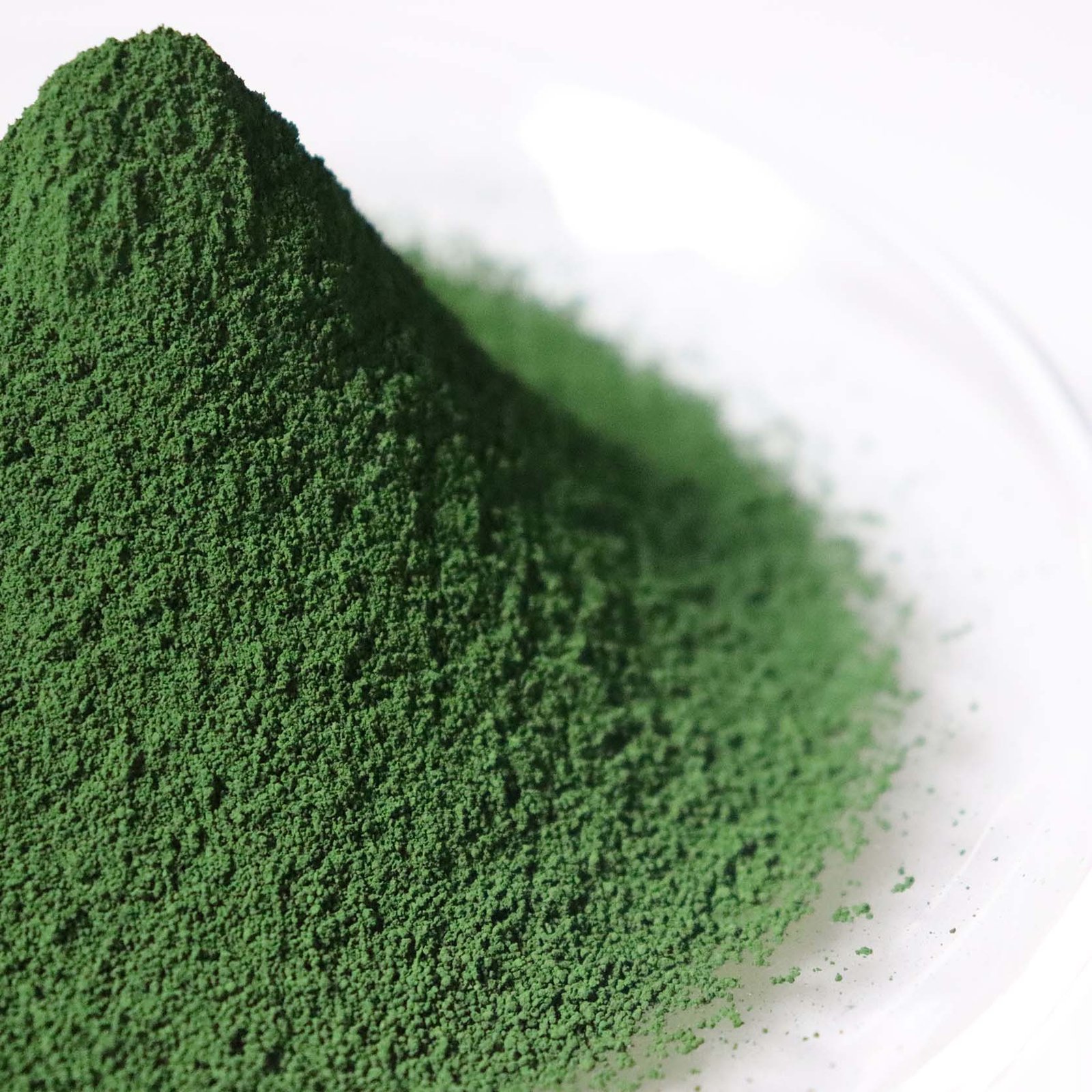
Introduction to Chromium Oxide Green in Refractory Applications
Chromium oxide green (Cr2O3) has become increasingly important in the refractory industry, where its exceptional chemical stability, high-temperature performance, and corrosion resistance make it invaluable for demanding industrial applications. Refractory materials must withstand extreme temperatures, aggressive chemical environments, and severe mechanical stresses that would destroy ordinary materials.
The global refractory industry consumes significant quantities of chromium oxide annually, driven by the demanding requirements of primary metal production, energy generation, and chemical processing industries. Modern manufacturing facilities require refractories that not only withstand extreme conditions but also contribute to process efficiency and product quality.
Fundamentals of Refractory Performance
Refractory materials must maintain their structural integrity and functional properties at temperatures exceeding 1000C, often in environments containing corrosive slags, molten metals, and aggressive gases. Chromium oxide combination of high melting point (2265C), excellent chemical stability, and resistance to both acidic and basic slags makes it particularly valuable for demanding applications.
The microstructure of chromium oxide-based refractories develops during high-temperature service, with grain growth and phase transformations contributing to long-term stability. Understanding these microstructural changes enables manufacturers to optimize formulations and processing methods.
Steelmaking Applications
The steel industry represents the largest market for chromium oxide refractories, where these materials line various vessels and components in primary and secondary steelmaking processes. Electric arc furnaces (EAFs), ladles, tundishes, and continuous casting equipment all employ chromium-based refractories to withstand severe operating conditions.
Electric arc furnace linings must endure extreme thermal cycling as electrodes heat and cool the furnace during operation. Chrome-corundum bricks combining chromium oxide with aluminum oxide provide the thermal shock resistance and erosion resistance required for this demanding application.
Secondary refining vessels, including ladle furnaces and vacuum degassers, employ chrome-magnesia refractories that withstand repetitive thermal cycling while resisting slag attack from various steelmaking fluxes and alloys.
Cement and Lime Production
Rotary kilns producing cement and lime subject refractory linings to severe conditions including extreme temperatures, abrasive clinker particles, and aggressive alkaline environments. Chromium oxide refractories provide the performance required for these demanding applications, particularly in the burning zone where temperatures exceed 1400C.
Cooling zone and transition zone applications require refractories that can withstand thermal gradients while resisting the formation of coating materials that protect the lining. Chromium oxide thermal expansion characteristics and chemical stability contribute to reliable performance.
Glass Furnace Applications
Glass melting furnaces operate at temperatures exceeding 1500C, with molten glass and furnace atmosphere creating highly corrosive environments that attack refractory linings. Chromium oxide refractories, particularly chrome-alumina and chrome-zirconia compositions, provide the corrosion resistance required for long furnace campaign lives.
The selection of refractory materials for glass furnaces requires careful attention to potential sources of glass defects. Chromium oxide refractories offer advantages as their erosion products are generally compatible with common glass compositions.
Non-Ferrous Metallurgy
Copper, nickel, and other non-ferrous metal production processes employ chromium oxide refractories in various high-temperature vessels and furnaces. These applications often involve highly corrosive slags and fluctuating atmospheric conditions that challenge refractory performance.
Copper smelting and converting operations subject refractories to intense thermal and chemical attack from copper-containing slags and mattes. Chrome-containing brick compositions have been developed specifically for these applications.
Petrochemical and Energy Applications
Petrochemical processing units employ chromium oxide refractories in high-temperature reactors, reformers, and thermal cracking equipment. Steam methane reformers, critical components in hydrogen and ammonia production, employ chromium oxide-containing brick in transition zones.
Fluid catalytic cracking units in petroleum refineries expose refractories to combinations of thermal shock, abrasion, and chemical attack from catalyst particles and process residues.
Waste Incineration Applications
Waste-to-energy facilities and hazardous waste incinerators present extreme refractory challenges due to variable waste compositions and associated corrosive combustion products. Chromium oxide refractories have been adapted for these applications, providing the chemical resistance required for reliable operation.
Municipal solid waste incinerators expose refractories to chloride-rich ashes and combustion products that attack conventional materials. Chrome-containing compositions provide improved resistance to these corrosive species.
Formulations and Manufacturing
Chromium oxide refractories are manufactured using various processes depending on the specific composition and application requirements. Brick products are typically produced through pressing or casting methods, followed by high-temperature firing to develop the required density and strength.
Chrome-alumina compositions combine chromium oxide with aluminum oxide to achieve balanced properties for various applications. The ratio of these oxides determines key performance characteristics including thermal expansion, thermal conductivity, and slag resistance.
Quality Assurance and Testing
Refractory quality assurance encompasses testing of raw materials, process monitoring during manufacturing, and evaluation of finished products against specifications. Chromium oxide content, purity, and particle size distribution are carefully controlled.
Hot modulus of rupture, thermal shock resistance, and slag resistance testing evaluate key performance characteristics of finished refractories. These accelerated tests provide predictive data for service performance.
Environmental Considerations
The refractory industry has addressed environmental concerns related to chromium through improved manufacturing processes and responsible handling procedures. Modern production facilities implement comprehensive environmental management systems that minimize emissions and ensure regulatory compliance.
End-of-life refractory management presents challenges and opportunities for the industry. Recycling of used refractories, where technically feasible, reduces waste disposal requirements and conserves natural resources.
Future Trends
Emerging applications and process improvements drive continued development of chromium oxide refractory technology. Alternative fuels and raw materials in high-temperature processes create new challenges that require optimized refractory solutions.
Carbon-reduced steelmaking processes, essential for environmental compliance, present new refractory requirements that chromium oxide systems may help address.
Conclusion
Chromium oxide green has earned its essential role in refractory technology through decades of successful application in demanding industrial environments. From steelmaking to cement production, glass melting to petrochemical processing, chromium-based refractories provide the performance, reliability, and versatility that modern high-temperature processes require.
As industrial processes continue to evolve toward greater efficiency, productivity, and environmental responsibility, chromium oxide refractories will adapt to meet these changing requirements.