
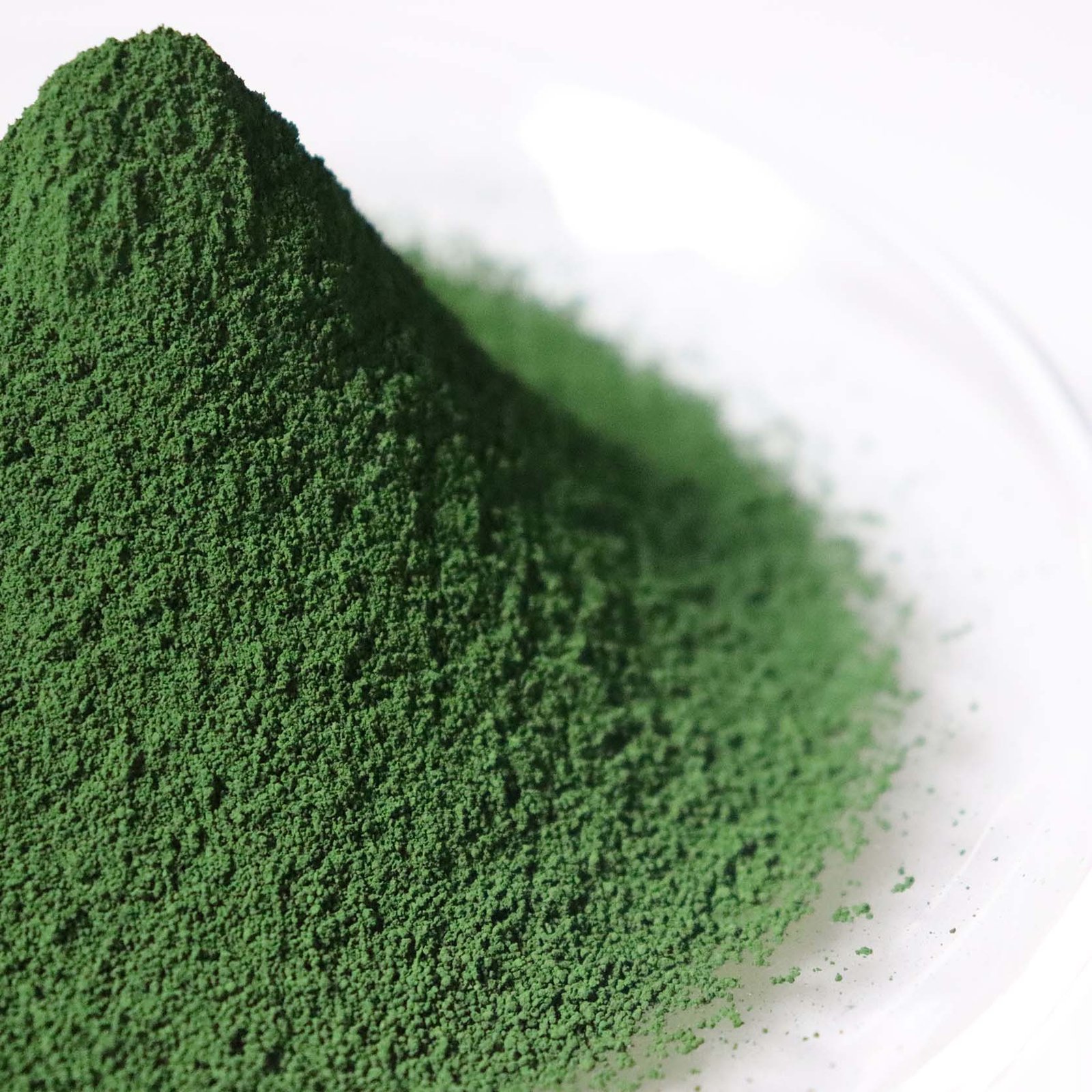
Introduction to Chromium Oxide Green in Coatings
Chromium oxide green (Cr2O3), also known as chrome green or sesquioxide, stands as one of the most important inorganic pigments in the global coatings industry. With its exceptional chemical stability, outstanding color properties, and remarkable durability, chromium oxide green has become the preferred choice for demanding coating applications across multiple sectors including architectural finishes, industrial protective coatings, powder coatings, and specialty surface treatments.
The unique molecular structure of Cr2O3 provides this pigment with remarkable characteristics that set it apart from organic pigments and other inorganic alternatives. The pigment exhibits excellent resistance to degradation under UV exposure, maintaining its color integrity for decades even in the most challenging environmental conditions. This longevity makes chromium oxide green particularly valuable in applications where color consistency and retention are critical, such as architectural facades, automotive original equipment manufacturing, and industrial equipment coatings.
Chemical Properties and Color Characteristics
Chromium oxide green possesses a corundum-type crystal structure that contributes to its outstanding stability. The chemical formula Cr2O3 indicates a chromium content of approximately 68%, making it one of the most concentrated sources of green coloration among inorganic pigments. The pigment demonstrates complete chemical inertness toward acids, alkalis, organic solvents, and atmospheric pollutants, ensuring long-term performance in aggressive environments.
The color of chromium oxide green is characterized by a medium-dark, neutral green hue with exceptional hiding power and opacity. Unlike many organic green pigments that exhibit yellow or blue undertones, Cr2O3 provides a pure, clean green that integrates well with other colorants while maintaining its distinct character. The pigment’s refractive index of approximately 2.5 contributes to its excellent hiding power, allowing effective coloration with relatively low pigment loadings.
Industrial Protective Coatings
In industrial protective coating applications, chromium oxide green serves multiple critical functions beyond mere coloration. The pigment contributes to the overall barrier protection of metal substrates by enhancing the coating’s density and resistance to permeation by water, oxygen, and corrosive ions. This dual functionality of providing both aesthetic appeal and protective performance makes Cr2O3 particularly valuable in infrastructure coatings, marine coatings, and chemical processing equipment finishes.
The chemical resistance of chromium oxide green extends to its behavior in coating films exposed to aggressive chemical environments. When incorporated into epoxy, polyurethane, or alkyd-based coating systems, Cr2O3 maintains its color stability and does not participate in chemical reactions that could compromise coating integrity. This stability proves essential in coating applications for chemical storage tanks, pipeline coatings, and industrial machinery where exposure to solvents, acids, or alkaline substances is routine.
Architectural and Decorative Coatings
The architectural coatings industry represents one of the largest markets for chromium oxide green pigments. In exterior wall paints, roof coatings, and decorative finishes, Cr2O3 provides exceptional chalk resistance and maintains color vibrancy through decades of weathering. The pigment’s stability under UV exposure far exceeds that of organic green pigments, which typically degrade rapidly when exposed to sunlight, fading and changing hue over relatively short periods.
In interior decorative coatings, chromium oxide green offers designers a stable, sophisticated green option that complements both traditional and contemporary design schemes. The pigment’s ability to achieve consistent color matching across different batches and manufacturing runs ensures uniformity in large-scale architectural projects. Additionally, the opacity of Cr2O3 allows effective coverage of substrate irregularities, reducing the number of coats required for acceptable appearance.
Powder Coatings Applications
Powder coating technology has embraced chromium oxide green as a preferred colorant due to the pigment’s thermal stability during the curing process. Unlike many organic pigments that decompose or change color at the high temperatures required for powder coating cure (typically 180-200°C), Cr2O3 maintains its color properties throughout the manufacturing and application process. This thermal stability enables processors to achieve consistent color development regardless of cure conditions.
The incorporation of chromium oxide green into powder coatings provides finished goods with excellent edge coverage and color consistency. The pigment particles distribute evenly throughout the coating film during application and cure, avoiding the settling and segregation issues that affect some pigments in powder formulations. This uniform distribution contributes to the overall quality and appearance of finished powder-coated articles.
Automotive OEM and Refinish Coatings
Original equipment manufacturers in the automotive industry utilize chromium oxide green in various coating applications where long-term color stability is essential. While metallic and pearl effects dominate automotive color trends, solid green automotive colors based on Cr2O3 continue to find application in commercial vehicles, agricultural equipment, and specialty automotive segments. The pigment’s durability ensures that these colors maintain their original appearance throughout the vehicle’s service life.
In automotive refinish applications, chromium oxide green provides body shops with a reliable colorant for color matching and repair work. The pigment’s stability ensures that repaired areas blend seamlessly with original factory finishes, even after years of weathering and aging. This consistency reduces the likelihood of color mismatches and improves overall repair quality.
Environmental and Safety Considerations
Modern production methods for chromium oxide green have significantly improved environmental performance compared to historical manufacturing processes. Contemporary plants employ closed-loop water systems, efficient dust collection, and strict emission controls that minimize environmental impact. The pigment itself presents minimal environmental concern once incorporated into finished coating products, as its chemical stability prevents leaching or degradation under normal use conditions.
Safety considerations in handling chromium oxide green focus primarily on dust inhalation during handling and processing. Appropriate respiratory protection, local exhaust ventilation, and good housekeeping practices adequately address occupational exposure concerns. Regulatory classifications for chromium oxide pigments have evolved to distinguish between soluble and insoluble forms, with modern Cr2O3 pigments falling into the less hazardous insoluble category.
Quality Specifications and Selection Criteria
Commercial chromium oxide green pigments are available in various grades optimized for specific coating applications. Key quality parameters include chemical purity (particularly chromium content and impurity levels), particle size distribution, tinting strength, and color coordinates. Manufacturers offer specialized grades for industrial coatings, architectural coatings, powder coatings, and printing ink applications, each formulated to deliver optimal performance in its target market.
Selection of appropriate chromium oxide green grade should consider the specific requirements of the coating system, including resin type, application method, cure conditions, and end-use environment. Technical support from pigment suppliers can assist formulators in selecting optimal products and developing efficient incorporation methods for their specific applications.
Future Trends and Market Development
The coatings industry continues to develop new applications and formulations that leverage the unique properties of chromium oxide green. Emerging applications include cool roof coatings that utilize the pigment’s IR-reflective properties to reduce building energy consumption, functional coatings with antimicrobial properties, and smart coatings with adaptive color characteristics. These developments expand the utility of Cr2O3 beyond traditional coloration into advanced functional coating applications.
Market demand for chromium oxide green continues to grow in parallel with overall coatings industry expansion, particularly in developing regions where infrastructure construction and industrialization drive demand for protective and decorative coatings. The pigment’s established performance record, combined with ongoing product development, positions chromium oxide green for continued market success in the years ahead.
Conclusion
Chromium oxide green represents a mature, reliable pigment technology that continues to provide exceptional value in coating applications worldwide. Its combination of outstanding color properties, chemical stability, durability, andversatility addresses the needs of demanding applications across industrial, architectural, and specialty coating segments. As coating technology advances and performance requirements intensify, chromium oxide green remains positioned to meet these challenges with proven, dependable performance.
For coating formulators seeking a green pigment that delivers uncompromising performance and long-term color stability, chromium oxide green stands as the definitive choice. Its proven track record spanning decades of commercial application, combined with ongoing technical development, ensures that Cr2O3 will continue to serve as a cornerstone of the global pigments industry for generations to come.